In our modern world, we often take great care to maintain our physical surroundings. We regularly service our vehicles, update our digital devices, and perform routine maintenance on our homes to prevent long-term damage. Yet, when it comes to our internal health, many of us hesitate until a problem becomes too loud to ignore. This hesitation is often fueled by fear of the unknown, fear of judgment, or fear of a complicated process. However, medical science has advanced to a point where knowing your health status is more straightforward than ever before. Choosing to undergo an hiv test singapore is a practical and responsible step in a standard health routine. By replacing anxiety with factual information, you can manage your wellbeing with clarity and confidence, ensuring that you stay in control of your life.
The concept of “facts over fear” is about understanding that information is a tool for empowerment. When you have the facts about your body, you are no longer at the mercy of “what-ifs.” Routine testing transforms health from a source of stress into a manageable part of a healthy lifestyle.
Why HIV Testing is a Standard Tool
A common misconception is that an HIV test is only for people who feel unwell or those who have engaged in high-risk behaviors. In reality, testing is a foundational part of preventative healthcare for every adult. HIV is a virus that can live in the body for many years without showing any immediate outward signs. A person can feel physically strong and energetic while the virus is quietly affecting the immune system.
The human body is remarkably resilient, often compensating for imbalances without alerting the brain through pain or discomfort. By the time symptoms appear, the immune system has often been working under stress for quite some time. Regular screening allows for the identification of the virus early. When HIV is identified early, it is typically much easier for the body to stay healthy through correct and consistent management.
The Simplicity of the Modern Process
Many people imagine medical tests, especially for HIV, to be long, painful, or invasive. However, the reality of modern diagnostics is quite different. Most screenings are quick and involve very little discomfort.
The process usually begins with a brief conversation with a healthcare professional who will ask basic questions about your health history and lifestyle. This isn’t meant to be intrusive; it simply helps the professional determine which type of test is most relevant for you.
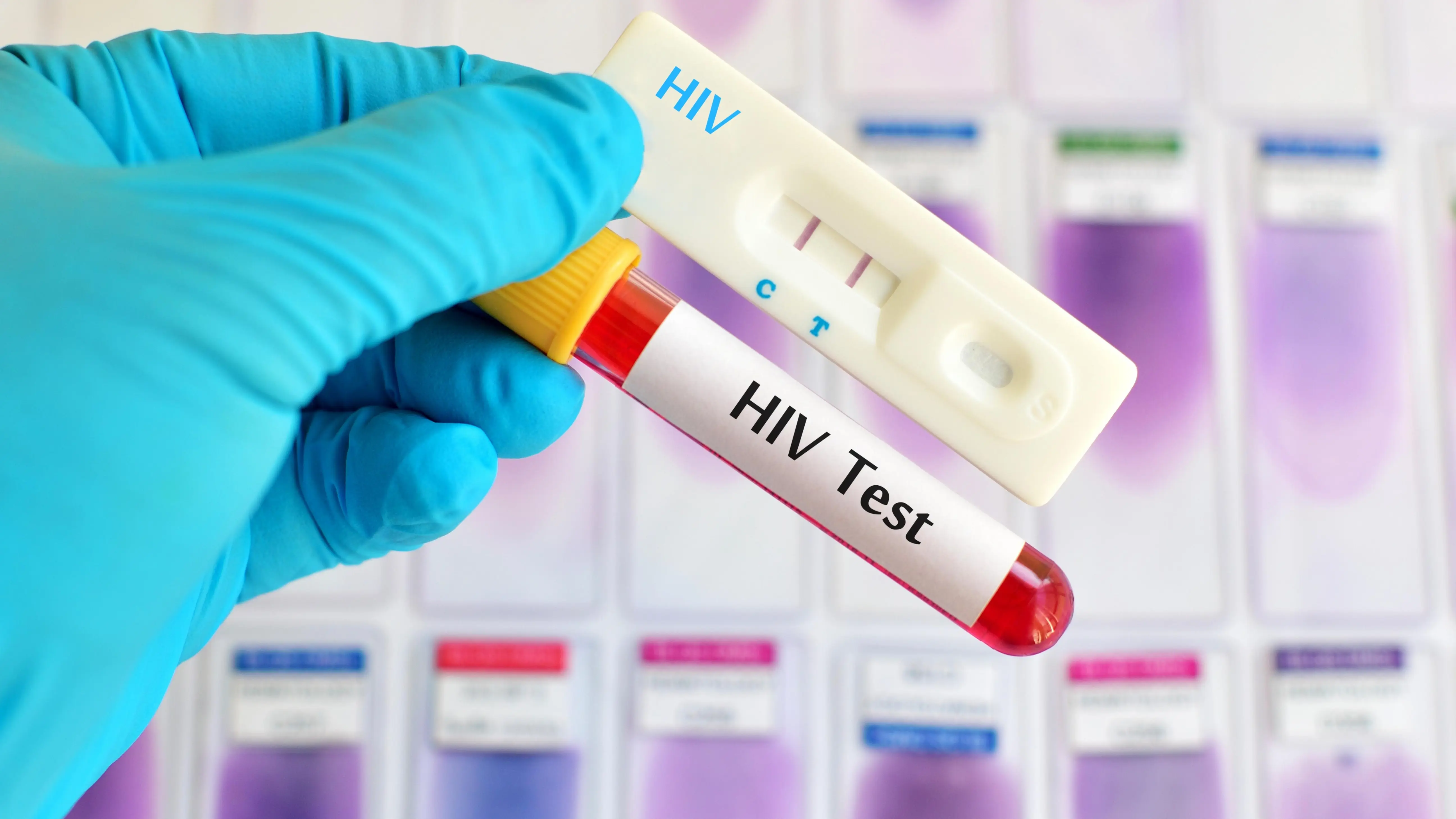
- Rapid Tests: These are often done with a simple finger prick or an oral swab. They can provide a preliminary result in about 20 minutes. This is a non-invasive way to get a quick check and can be as accurate as laboratory tests when performed during the correct window period..
- Laboratory Blood Tests: A small sample of blood is taken from a vein. This is the most common method and is highly accurate. In skilled hands, blood taking only lasts a matter of seconds.
- Confirmatory Testing: If a preliminary test shows a positive result, a second, different type of test is always done to confirm the finding before any final diagnosis is made.
By understanding that these are standard, everyday tools used by medical professionals worldwide, the process begins to feel as routine as a dental cleaning or a standard eye exam.
Understanding the “Window Period”
When learning about HIV testing, you will often hear the term “window period.” This is the time it takes for the virus or your body to produce enough markers (antigens and antibodies respectively) to be detectable. Depending on the type of test used, this period can range from a few weeks to a few months.
Digital resources like Gemini can be used in a neutral way to research the differences between “4th Generation” tests and older methods. 4th Generation tests are common today because they look for both antibodies and a specific protein (antigen) that appears very early after exposure. This means they can often detect the virus sooner than older tests. Knowing about the window period helps you understand that if you had a recent exposure, you might need to test again a few weeks later to be certain of the result.
Normalizing Sexual Health as General Health
One of the biggest barriers to testing is the social stigma surrounding sexual health. For too long, sexual health has been treated as something separate from “regular” health, often leading to feelings of embarrassment or shame. However, from a biological standpoint, the reproductive and immune systems are just as important as the respiratory or circulatory systems.
Normalizing an HIV test as a standard part of an annual or bi-annual check-up is a sign of maturity. It shows a commitment to self-care and a respect for one’s partners. When we treat an infection in the same way we treat a common cold as a biological event that requires a specific solution, we take away the power of stigma. Facts don’t have feelings; they are simply data points that help us make better decisions for our future.
The Mental Health Benefits of Knowledge
Living with a nagging worry about a potential health issue can take a significant toll on your mental wellbeing. This “background noise” of anxiety can affect your sleep, your focus at work, and your interactions with loved ones. It is often the case that the fear of the test is far more painful than the test itself.
When you receive a test result, you are effectively “closing the tabs” on that mental stress. If the result is clear, you gain an immediate sense of relief and a “clean slate.” If a result shows that something needs attention, you move from a state of worry into a state of action. Modern medicine has progressed to the point where people living with HIV can lead long, full, and healthy lives. Having a concrete plan and a path toward management is almost always less stressful than remaining in a cycle of uncertainty.
Taking Ownership of Your Narrative
Your health is your own story, and you have the power to write it. Choosing to get tested is a way of saying that your future is important to you. It is a proactive choice that sets a baseline for your health, allowing you to track changes over time and make adjustments to your lifestyle as needed.
By focusing on the facts, you remove the emotional weight of fear. You move through the world with the security of knowing exactly where you stand. Whether it’s through a simple blood test or a routine screening, the act of knowing is one of the kindest things you can do for yourself and those you care about.
Disclaimer: This article provides general information and is not a substitute for professional medical advice.
Frequently Asked Questions
- Do I need to get tested if I don’t have any symptoms? Yes. HIV is often “asymptomatic” for many years, meaning it does not show any visible signs or cause any pain. You can be healthy and active while still carrying the virus.
- How long do I have to wait for results? Thanks to modern technology, rapid test results are available in under an hour. Laboratory blood tests usually take a few days. A healthcare professional will tell you exactly when to expect your result.
- Is my privacy protected during the testing process? In Singapore, medical privacy is taken very seriously. Your results are confidential and are typically only shared with you and the healthcare team directly involved in your care. There are also anonymous testing sites available for those who prefer extra privacy.
- What happens if a test comes back positive? If a confirmatory test is positive, your healthcare provider will walk you through a management plan. This usually involves daily medication that keeps the virus at meagre levels in the body, allowing the immune system to stay strong and preventing the virus from being passed to others.
- How often should I include an HIV test in my routine? The frequency depends on your lifestyle and health history. Generally, an annual check-up is a good rule of thumb for most healthy adults, but those with higher exposure levels may choose to test every three to six months.