Living with HIV (Human Immunodeficiency Virus) requires courage, strength, and a comprehensive understanding of the virus and its management. HIV/AIDS is a complex medical condition. It affects the immune system, making individuals vulnerable to various infections and illnesses.
Note: This content was written for educational purposes only and is not intended as medical advice. Consult a healthcare professional if you have any health-related questions or concerns.
In this article, we will explore what HIV/AIDS is. We will share the importance of testing, how to cope with a positive test result, and strategies for living well with HIV.
Understanding HIV/AIDS
HIV is a virus that attacks the body’s immune system. It specifically targets the CD4 cells, a type of white blood cell that helps the body fight infections. When HIV enters the body, it replicates and gradually weakens the immune system over time. As the immune system weakens, the body becomes more vulnerable to various infections and illnesses.
If left untreated, HIV can progress to AIDS (Acquired Immunodeficiency Syndrome). A more advanced stage where the immune system becomes severely weaker. This makes the person more likely to get serious infections and certain types of cancer. These infections and cancers can be life-threatening.
HIV is primarily transmitted through certain body fluids, including blood, semen, vaginal fluids, rectal fluids, and breast milk. HIV can spread through unprotected sex, sharing needles, or from a mother to her baby during birth or breastfeeding.
HIV is a chronic condition, but it can be managed with antiretroviral therapy (ART). A combination of medications that help suppress the virus’s replication and improve the immune system’s function.
It is important to get tested for HIV as soon as possible. Starting HIV treatment early can help manage the virus. This can also prevent it from progressing into AIDS.
It is important to know about HIV/AIDS, prevent it, and make sure people can get medical help. This helps stop the virus from spreading and helps people with HIV stay healthy.
Stages of HIV Infection in Singapore
In Singapore, HIV has been recognised as a public health issue since the 1980s. According to the Ministry of Health Singapore, there were 9,331 reported cases of HIV infection in the country as of end-2022.
The first stage of HIV infection is known as acute or primary HIV infection. This stage occurs within 2-4 weeks after being infected with the virus and can last for a few days to several weeks. During this stage, the body produces antibodies to fight the virus, resulting in flu-like symptoms such as fever, headache, sore throat, and body rash.
After the acute stage, the virus enters a dormant stage where it continues to multiply at a lower rate. This stage is known as asymptomatic HIV infection as there are usually no visible symptoms.
However, the virus is still actively attacking the immune system and can be transmitted to others during this stage. Without treatment, this stage can last for 10-15 years or longer.
In Singapore, individuals diagnosed with HIV during this stage are referred for treatment and monitoring at specialised clinics. With the advancement of antiretroviral therapy (ART), people living with HIV can now live longer and healthier lives.
As the virus continues to attack the immune system, an infected person may start to experience symptoms such as weight loss, chronic diarrhoea, persistent fever, and night sweats.
If left untreated, HIV progresses to its final stage known as AIDS (Acquired Immunodeficiency Syndrome). This stage occurs when the immune system is severely damaged, making it difficult for the body to fight off infections and diseases. People with AIDS are at a higher risk of developing opportunistic infections such as tuberculosis, pneumonia, and certain types of cancers.
Testing for HIV
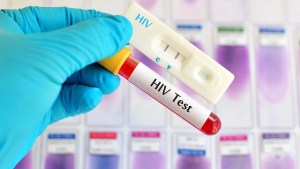
Anonymous HIV testing is available to encourage individuals to get tested without fear of stigma or judgement. Early detection through regular testing is essential to initiate timely medical intervention. If an initial test indicates HIV positivity, confirmatory testing is necessary to ensure an accurate diagnosis.
What to Do After Receiving an HIV+ Test
If you have just received a positive HIV test, you might be feeling very overwhelmed and emotional. At this point, it is crucial to seek professional support from healthcare providers experienced in HIV care. They guide individuals through the next steps, which often include additional testing to determine the HIV viral load and CD4 cell count. These measurements help assess the current state of the immune system and guide treatment decisions.
Coping with Living with HIV
Living with HIV requires a multidimensional approach that addresses physical, emotional, and social aspects of well-being.
1. Mental Health Support
The emotional impact of an HIV diagnosis can be significant. Seeking mental health support is crucial for coping with the emotional challenges that may arise. Mental health professionals can provide guidance, coping strategies, and emotional support.
2. Adherence to Treatment
Adhering to prescribed antiretroviral therapy (ART) is vital for managing HIV effectively. ART helps suppress the virus, maintain a healthy immune system, and improve overall health.
3. Healthy Lifestyle
Adopting a healthy lifestyle that includes proper nutrition for example, consuming less saturated fats and salt and drinking more water, regular exercise, adequate rest (getting 7-9 hours a day), and avoiding harmful habits like smoking or excessive alcohol consumption contributes to overall well-being and supports the immune system.
4. Support Network
Building a strong support network of family, friends, or support groups can provide a sense of belonging, reduce feelings of isolation, and foster emotional resilience. Everyone is worthy of love and respect.
5. Changes in Sex Life
Sex is an essential part of life that everyone should be able to have. Just because you are HIV+ does not mean you have to abstain from sex. As long as you have an undetectable viral load, there is no risk of transmission.
However, it is still important to have safe sex and use protection. Get tested for Sexually Transmitted Infections (STIs) regularly to keep you and your sexual partner safe. If left undetected and untreated, STIs can lead to complications and be damaging to your health, especially if you have HIV.
6. Regular Medical Check-ups
Regular medical check-ups and monitoring of HIV viral load and CD4 counts are essential to assess the effectiveness of treatment and make necessary adjustments to the treatment plan. Many occasionally have an increase in their viral load as a result of stress or mild illnesses such as the cold. However, if you keep up with your medication, the viral load will usually be undetectable by the next test and you should be able to manage your overall health and lead a normal life.
In conclusion, people living with HIV require empowerment, resilience, and a comprehensive approach to health and well-being. Understanding HIV/AIDS, seeking anonymous testing, receiving proper medical care, and building a support network are essential steps. With the right resources, support, and knowledge, individuals living with HIV can lead fulfilling lives, break barriers, and shatter stereotypes, proving that empowerment and resilience can triumph in the face of HIV/AIDS.