Note: This content was written for educational purposes only and is not intended as medical advice. Consult a healthcare professional if you have any health-related questions or concerns.
STIs are infections that are primarily transmitted through sexual contact. They can have serious consequences on one’s physical and emotional health if left untreated.
Therefore, it is crucial to know how to prevent and treat these infections. Prioritising regular sexual health check-ups. In this article, we will cover the ABCs of STIs and equip you with the knowledge you need to take control of your sexual health.
What are Sexually Transmitted Infections (STIs)?
Sexually transmitted infections (STIs) can spread through vaginal, anal, or oral sex, and even by sharing needles. They come in different types: bacterial, viral, and parasitic infections.
Some common STIs in Singapore include chlamydia, gonorrhoea, syphilis, HPV (human papillomavirus), herpes simplex virus and HIV (human immunodeficiency virus). These infections can affect anyone regardless of age, gender, or sexual orientation. Not all STIs have visible symptoms; some might exhibit only mild symptoms that one can easily overlook.
Prevention and Treatment of STIs
The saying “prevention is better than cure” rings especially true when it comes to STIs. The most effective way to prevent STIs is by practising safe sex. This includes:
using condoms correctly and consistently,
limiting the number of sex partners, and
avoiding risky behaviours such as sharing needles or engaging in unprotected sex.
Vaccines are also available for certain preventable STIs like HPV and hepatitis B. It is important to discuss with your doctor about getting vaccinated if you are at risk.
In addition to prevention, early detection and treatment are essential in managing STIs. If left untreated, STIs can lead to serious health complications. This includes infertility, organ damage, and an increased risk of HIV infection. It is crucial to seek medical help if you suspect you have been exposed to an STI or experience any symptoms.
Treating STIs can vary depending on the type of infection. It may be treated with antibiotics, antiviral medication, or medication to manage symptoms. It is important to follow your doctor’s instructions and complete the full course of treatment, even if you start feeling better.
Protecting Yourself from Sexually Transmitted Diseases
While prevention methods play a significant role in protecting oneself from STIs, personal responsibility also plays a crucial role. Engaging in unprotected sex puts individuals at a higher risk of contracting STIs. Factors that raise the risk include drug use, having multiple sexual partners, and engaging in high-risk behaviours like sex work or engaging with commercial sex workers. You should be aware of these risks and take precautions to stay safe.
Talking about sexual health with partners before having sex can protect both from STIs. This involves sharing past sexual history, getting tested together, and agreeing on using protection. Remember, STIs can spread without symptoms, so regular testing is crucial.
STI Symptoms and Testing
Being aware of the common symptoms of STIs can help individuals seek medical attention early on.
Some common symptoms include:
Abnormal vaginal or penile discharge
Pain or burning during urination
Unusual rash or sores on the genitals
flu-like symptoms
However, it is important to note that not all STIs have visible symptoms, and some may only show mild symptoms which can easily be overlooked.
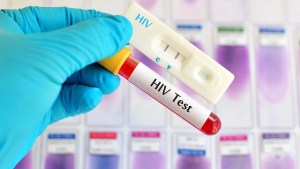
Regular testing for STIs is recommended for sexually active individuals. It is also recommended to get tested before engaging in sexual activity with a new partner, even if you do not have symptoms. This not only helps protect oneself but also shows respect and responsibility towards the sexual health of your partner. STI testing is available through various methods, including blood tests, urine tests, and swab tests.
Where to Get Tested in Singapore
Fortunately, in Singapore, there are numerous choices for STI testing. Keep in mind that certain clinics might need appointments or follow specific testing hours. Therefore, it’s advisable to conduct some research and plan your visit for STI testing.
Sexual Health Check-Ups
In addition to getting tested for STIs, it is also important to prioritise regular sexual health check-ups. These check-ups allow healthcare professionals to detect any potential issues early on and provide necessary treatment or guidance. Sexual health check-ups can include discussions about contraception, STI prevention, and overall sexual health and well-being.
The Importance of Seeking Medical Help
It is understandable that discussing sexual health can be uncomfortable or embarrassing for some individuals. However, seeking medical help is crucial in managing STIs and protecting one’s overall health. Remember, health care professionals are trained to provide non-judgmental care and support. They can also provide resources and information on how to prevent STIs and maintain good sexual health.
In short, STIs are infections spread through sex that can affect anyone. To prevent STIs, practice safe sex and consider vaccination. Early detection and treatment are key, so seek medical help if you suspect exposure or have symptoms.
Taking personal responsibility, discussing sexual health with partners, and regular testing can also help protect oneself from STIs. Remember, prioritising sexual health is crucial in maintaining overall well-being and preventing serious health complications.